
Mar 25, 2026
| Machine Size | Typical Consumption | Annual Cost (200 hours) |
|---|---|---|
| 1.0–1.5 tons | 1.0–1.5 L/h | $240–$360 |
| 1.5–2.5 tons | 1.3–1.8 L/h | $312–$432 |
| 2.5–4.0 tons | 2.0–3.0 L/h | $480–$720 |
| 4.0+ tons | 3.0–4.5 L/h | $720–$1,080 |
*Based on diesel at $1.20/L*RIPPA advantage: Load-sensing hydraulic systems reduce fuel consumption by up to 20% compared to conventional designs .
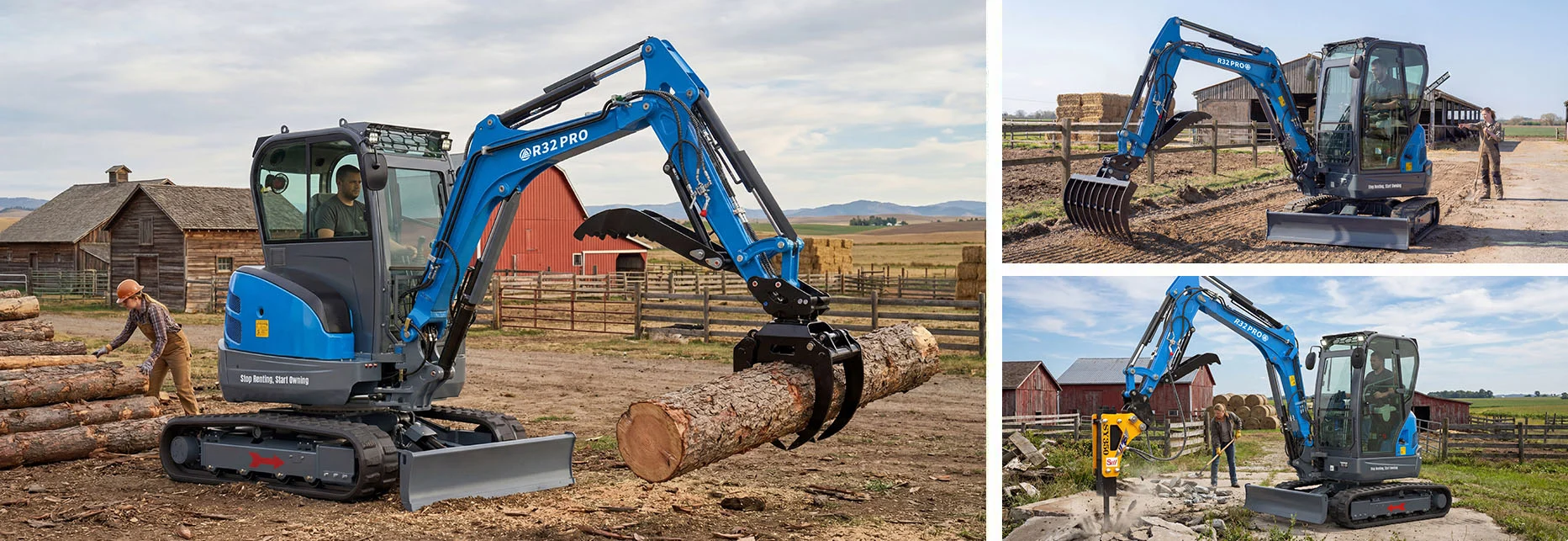
Fuel is one of the largest ongoing costs for diesel-powered excavators. For a machine used 500 hours per year, fuel costs can range from $600 to $3,000 annually. Improving efficiency by just 10% saves hundreds of dollars each year—thousands over the machine’s life .
| Модель | Двигатель | Consumption | Annual Cost (200 hrs) |
|---|---|---|---|
| R319 | Kubota D722 | 1.1–1.5 L/h | $264–$360 |
| R13 | Kubota D722 | 1.1–1.5 L/h | $264–$360 |
| R15 | Kubota D722 | 1.3–1.5 L/h | $312–$360 |
| R322L | Kubota D902 | 1.3–1.5 L/h | $312–$360 |
| R18 | Kubota D902 | 1.3–1.5 L/h | $312–$360 |
| R330 | Multiple | 1.8–2.2 L/h | $432–$528 |
| R350 | Kubota | 2.5–3.5 L/h | $600–$840 |
| R57 | Yanmar | 3.5–4.5 L/h | $840–$1,080 |
| Technology | Fuel Consumption | 5-Year Fuel Cost (500 hrs/yr) |
|---|---|---|
| Conventional | 2.5 L/h | $7,500 |
| RIPPA (20% savings) | 2.0 L/h | $6,000 |
| Savings | 0.5 L/h | $1,500 |
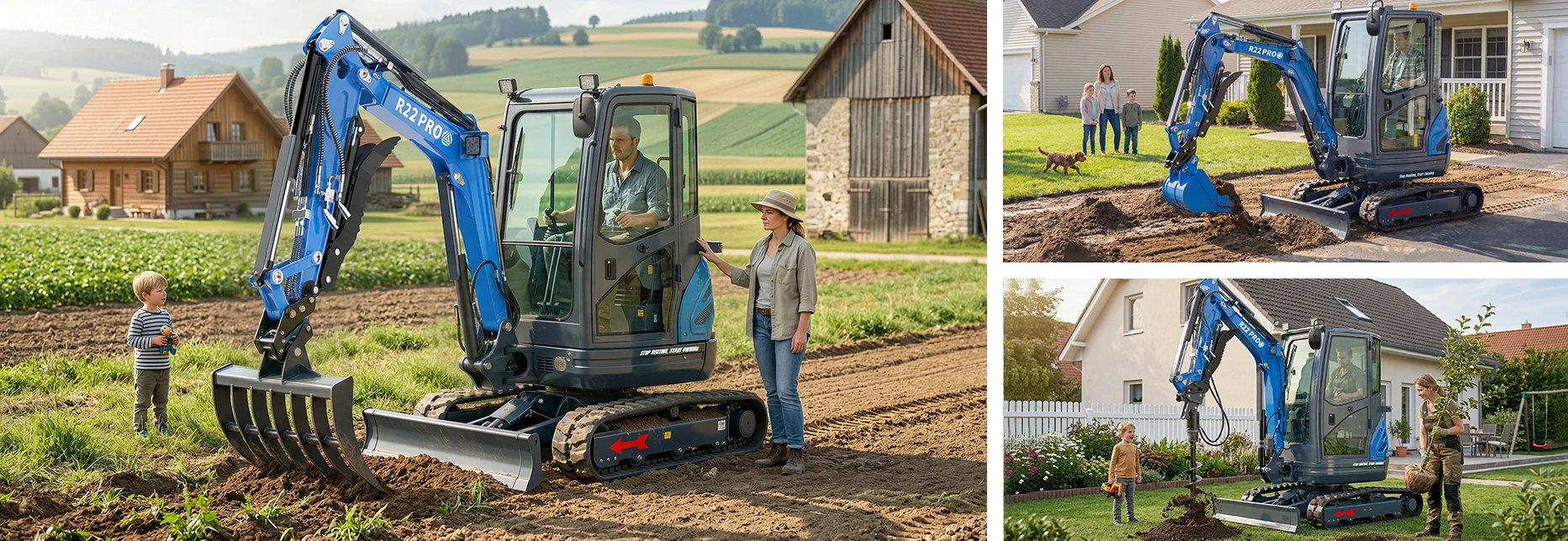
RIPPA’s load-sensing hydraulic system automatically detects hydraulic load requirements and supplies only the oil volume needed. This eliminates wasteful constant-flow operation and reduces engine load .Savings: Up to 20% fuel reduction compared to conventional systems .
The variable displacement pump matches output to demand, eliminating the loss of hydraulic oil and reducing engine load during partial-demand operations .
When the machine is idle for a set period, engine RPM automatically reduces. Many RIPPA models feature this as standard .
RIPPA’s Kubota engines are tuned for optimal fuel efficiency across the operating range, not just at peak power .
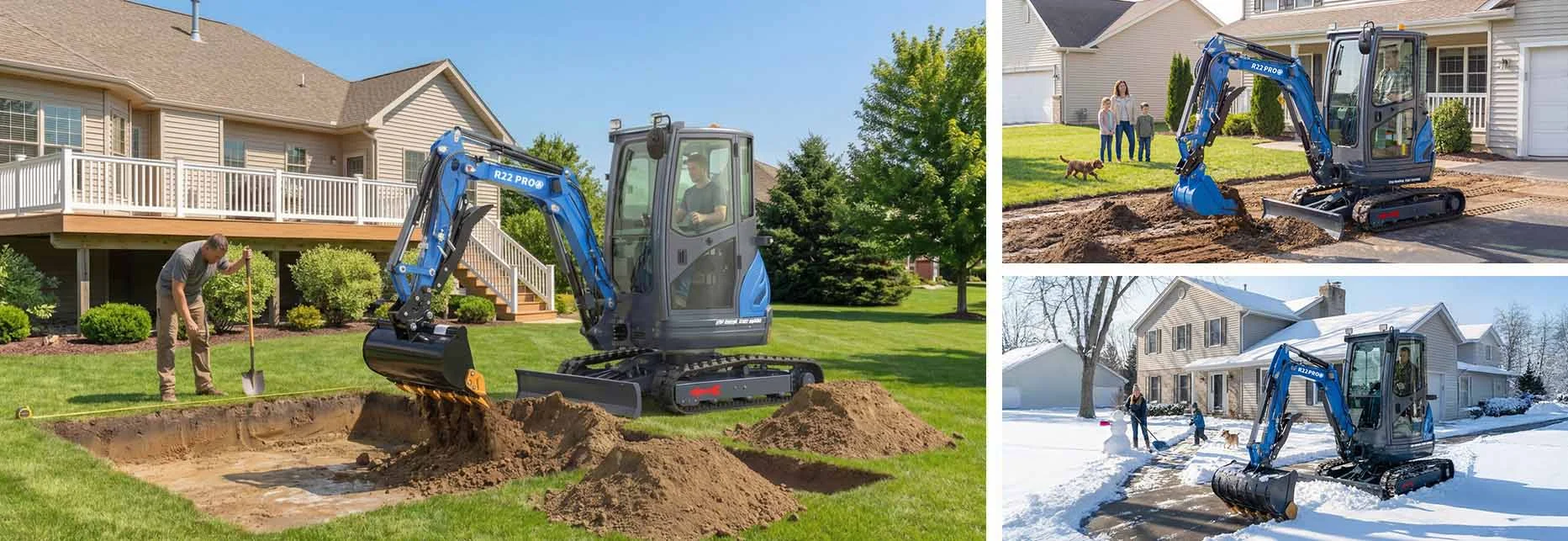
Enable auto-idle when available. Idling consumes 1–2 L/h while doing no work. Reducing idle time by 30 minutes per day saves 15–30 liters per month .
Operating at full throttle when not needed wastes fuel. Use lower RPM for light work; increase only when maximum power is required .
Over-tight tracks increase rolling resistance. Under-tight tracks cause slippage. Both waste fuel. Check tension weekly—proper sag is 10–15 mm at mid-point .
Dirty radiators and oil coolers cause overheating, which reduces engine efficiency. Clean cooling fins weekly with compressed air .
Using a bucket that’s too large or too small wastes fuel. Match attachment to task for optimal efficiency .
| Maintenance Item | Impact on Fuel Efficiency |
|---|---|
| Clean air filter | Clogged filter reduces air flow, increases fuel consumption by 5–10% |
| Proper tire/track pressure | Under-inflation increases rolling resistance |
| Clean cooling system | Overheating reduces engine efficiency |
| Fresh engine oil | Old oil increases internal friction |
| Clean fuel system | Clogged injectors reduce combustion efficiency |
| Proper valve adjustment | Poor valve timing wastes fuel |
Fuel-saving maintenance schedule:
| Frequency | Task |
|---|---|
| Daily | Check air filter indicator |
| Weekly | Clean cooling fins |
| Monthly | Check track tension |
| Every 250 hours | Change engine oil and filter |
| Every 500 hours | Replace fuel filter |
| Brand | 1.5-Ton Consumption | 3.5-Ton Consumption |
|---|---|---|
| RIPPA (load-sensing) | 1.3–1.5 L/h | 2.5–3.0 L/h |
| Conventional (fixed pump) | 1.6–1.9 L/h | 3.0–3.8 L/h |
RIPPA advantage: Load-sensing hydraulics provide 15-20% fuel savings across the duty cycle .
Use this formula to estimate your annual fuel cost:Annual Fuel Cost = Hours per year × Consumption (L/h) × Diesel price ($/L)
| Hours/Year | RIPPA R15 (1.4 L/h) | Conventional (1.7 L/h) | Annual Savings |
|---|---|---|---|
| 100 | $168 | $204 | $36 |
| 200 | $336 | $408 | $72 |
| 500 | $840 | $1,020 | $180 |
| 1,000 | $1,680 | $2,040 | $360 |
*Based on diesel at $1.20/L*
Up to 20% fuel savings compared to conventional fixed-displacement systems. For a machine used 500 hours/year, that’s $150–$300 annually .
Yes. Reducing idle time by 30 minutes per day saves 15–30 liters per month. Auto-idle achieves this automatically .
For its size, the R15 with Kubota D722 and load-sensing hydraulics offers excellent efficiency (1.3–1.5 L/h) .
No. Operating at 1,500–2,000 RPM for light work is fine. Only use full throttle when maximum power is needed .
Every 500 hours or annually. Dirty filters restrict fuel flow and increase consumption .
Fuel efficiency in mini excavators comes from three factors: advanced technology (load-sensing hydraulics), proper operation (auto-idle, planned digging), and regular maintenance (clean filters, proper track tension).RIPPA’s load-sensing hydraulic system delivers up to 20% fuel savings compared to conventional designs. Over 5 years of typical use, these savings add up to thousands of dollars—enough to pay for essential attachments or significant maintenance .By choosing a RIPPA and following the techniques in this guide, you can minimize your operating costs and maximize your machine’s productivity.





 Strona główna
 Produkty
 E-mail
 WhatsApp