Apr 22, 2026
For contractors, dealers, and importers, skid steer weight plays a critical role in choosing the right machine for different applications. In this guide, we break down the typical weight range of RIPPA skid steer loaders and what it means for your business.
RIPPA skid steer loaders typically fall within a wide weight range depending on size and configuration:
This range allows RIPPA to cover multiple market segments—from light-duty landscaping to heavy construction work.
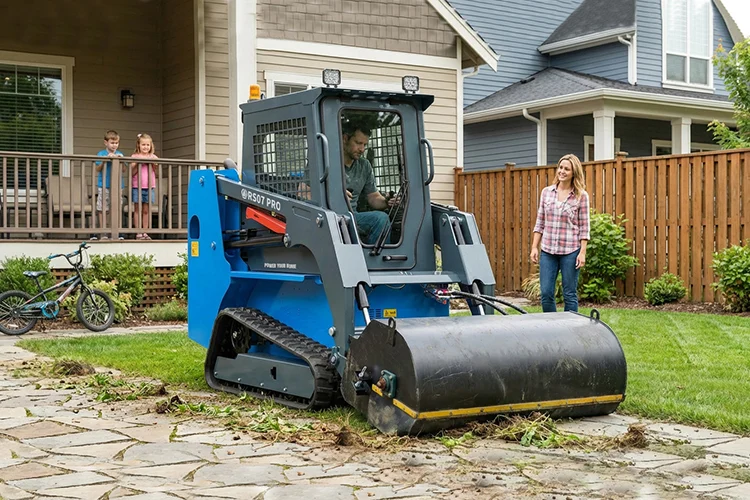
Skid steer weight is not random. It is determined by several key factors:
Machines equipped with higher horsepower engines and advanced hydraulic systems are naturally heavier. For example, models using Kubota engines with higher output typically come with reinforced structures and stronger components.
From the image data, we can see that higher-end models use:
These systems improve efficiency but also increase overall machine weight.
This is especially important for buyers working in agriculture or soft terrain environments.
For importers and dealers, machine weight directly affects:
Lighter machines improve logistics efficiency, while heavier machines offer more capability.
Weight impacts:
Heavier skid steers are generally more stable and suitable for demanding construction tasks.
If you are building a product lineup, weight segmentation helps you target different customers:
This strategy allows dealers to maximize coverage and profitability.
Instead of asking “what is the exact weight,” a better question is:
👉 What weight range fits your business and customers?
Consider the following:
Matching weight to application ensures better performance and higher return on investment.
RIPPA skid steer loaders are designed with a focus on:
This makes them highly suitable for export markets, especially where buyers need a balance between cost, performance, and transport efficiency.
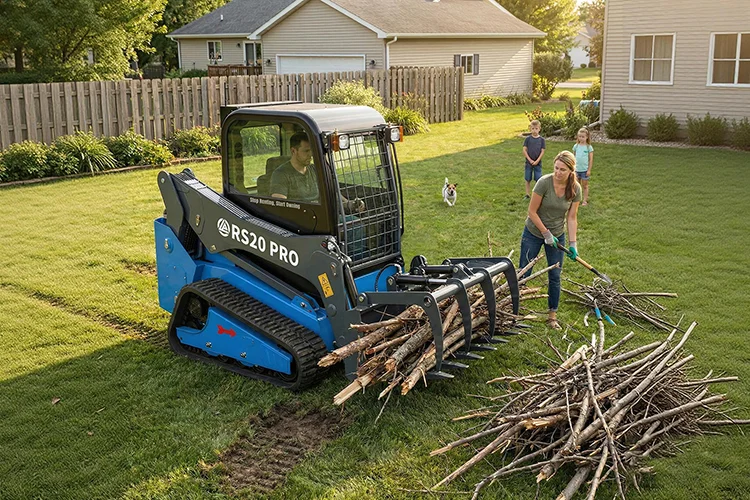
So, how much does a RIPPA skid steer weigh?
👉 The answer depends on the model, but generally ranges from 800 kg to nearly 4 tons.
More importantly, weight should be viewed as a strategic factor, not just a specification. The right machine weight can improve productivity, reduce costs, and help you stay competitive in your market.


 Casa
Casa
 Prodotti
 Email
Email
 WhatsApp